

This is part 2 of the 3-part report on alternative systems of governance. We can think of them as a society’s operating system and it follows that the better we can understand it, the better we can shape the society’s future and the brighter the future we can leave behind for future generations. In part 1, we compared and contrasted the two opposed systems of governance in general terms and then looked at the way British free trade system all but ruined British economy and its society.
In this report we’ll look in the opposite direction: how the national system of political economy impacts the societies of nations that implement it. I’ve also included a part about how we even know about these things, since the powers that be went out of their way to purge this knowledge from the curriculum. Part 3 will focus on China’s achievement with the national system and should be published fairly soon.
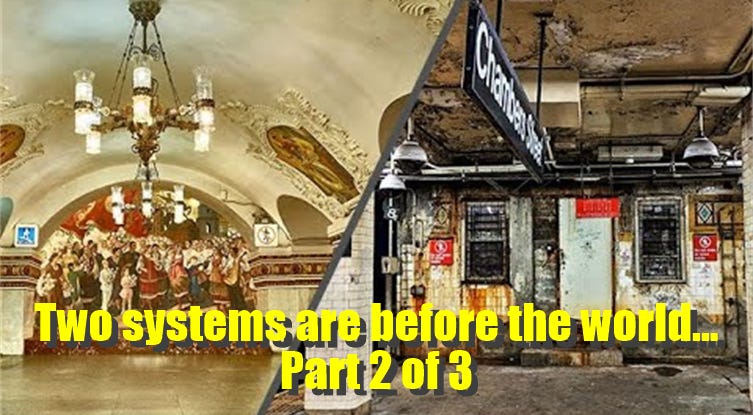
How the “national system” turned the US into a superpower
On December 5, 1791 America’s first Treasury Secretary, Alexander Hamilton, presented a Report on Manufactures to US Congress. In that report, Hamilton articulated a plan to extricate the United States from British free trade system, calling for a combination of tariffs and subsidies to incentivize industrialization of the United States. Furthermore, Hamilton created the “Society for Establishing Useful Manufactures,” and directed US government to allocate large investments in textile industry and infrastructure.
Hamilton’s initiative was taken up by the Kentucky senator Henry Clay. After the war of 1812, he convinced Congress to support his program of industrialization of the United States, again relying on tariffs and state support for industry. By restricting free trade and implementing the national system of political economy, the United States became an industrial powerhouse.Between 1750 and 1860, the American per capita industrial output increased 525%, outperforming all other major nations except for Great Britain.
After the Civil War in 1860s, the United States continued to develop and grow, guided by the ideas of Alexander Hamilton, Henry Clay and especially Abraham Lincoln’s economic advisor, Henry Carey. Carey argued that protective tariffs were essential to create what he called a “Harmony of Interests.” The idea was to create better, more lucrative employment for ordinary Americans who, in turn, would spend their earnings on domestically produced goods, further contributing to economic growth in a self-reinforcing, virtuous cycle.
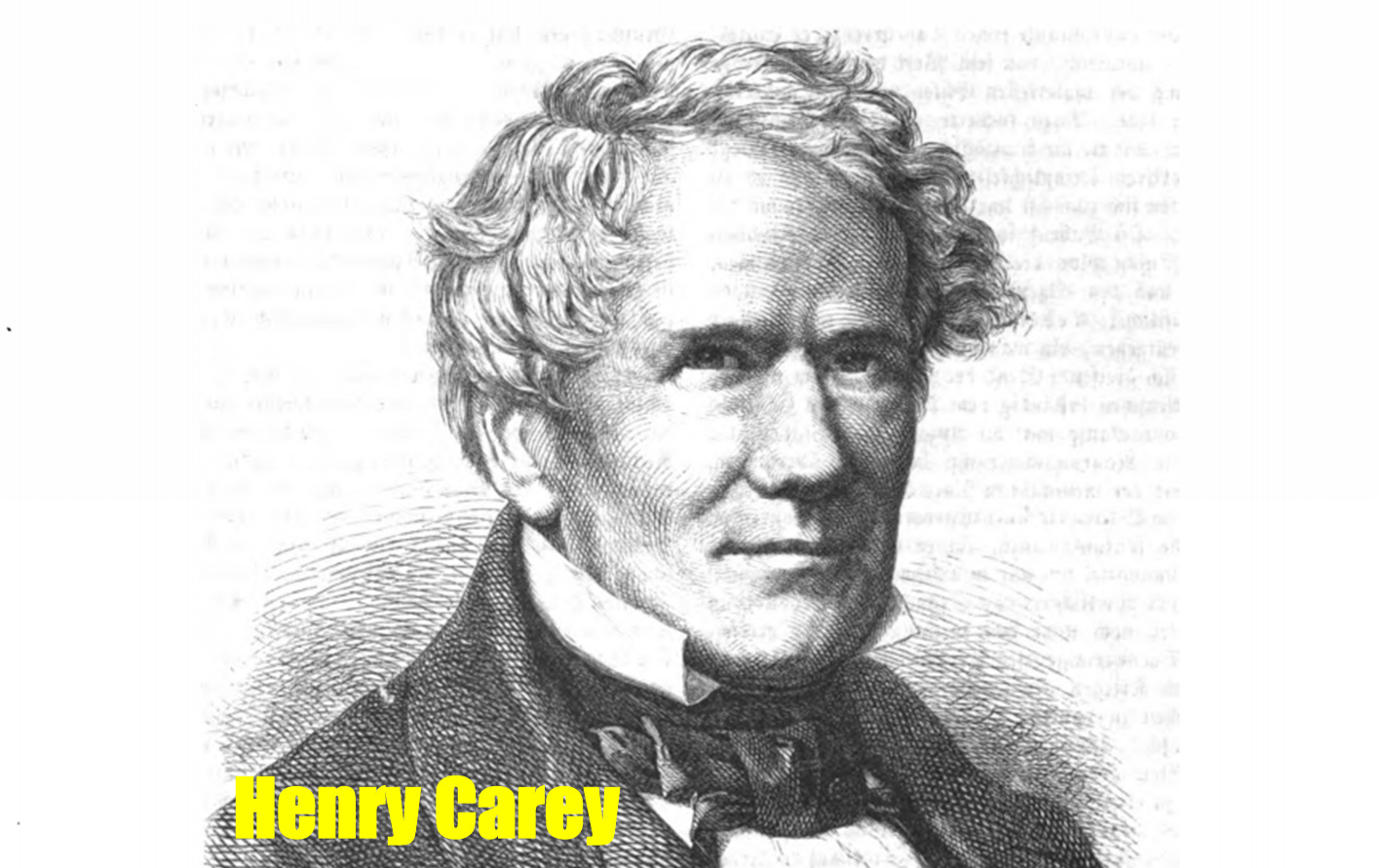
Carey argued that the resulting diversified economy would be more resilient, and that it would grow faster by creating network effects across different sectors. It would bring out and mobilize the diverse talents and creative potential of the American people, and galvanize their entrepreneurial spirits. Carey strongly advocated for the dignity of labor and passionately opposed rampant exploitation and poverty that the free trade system was producing.
He argued that the United States needed tariffs to counteract the effects of abusive labor, environmental, and other similar practices implemented around the world, including in England, the mothership of free trade. Carrey attacked the colonialism of European empires like Britain, France, Belgium and Spain, and maintained that the United States needed to shield its workforce from having to compete against ruthless, extractive colonialist regimes that ruled over subjugated populations mercilessly.
The results of guiding the economic development of the United States by the ideas of national system of political economy made the United States the world’s foremost industrial power. Between 1860 and 1910, her total industrial production soared by over 1,000 percent and her per capita industrial output eclipsed by some 10% even that of Great Britain, the world’s superpower of the age.
In sum, the national system which has been implemented in the United States in varying degrees for some 150 years, has been responsible for transforming the US from a patchwork of disjointed, backwards British colonies, into the most prosperous, technologically most advanced, and most powerful country in the world, elevating the nation to unprecedented levels of wealth and prosperity.
The national system and the rise of Germany
Another nation that took notice, both of the failures of the British free trade system and of the success of the American system was Germany.
As we’ve already seen, London experienced a bank panic in 1857, triggering a long period of economic decline. However, up until that time London was the proverbial shining city on the hill and other European nations sought to follow its example. Therefore, the free market orthodoxy of Adam Smith and David Ricardo was the unquestioned gospel of economic development in German universities.
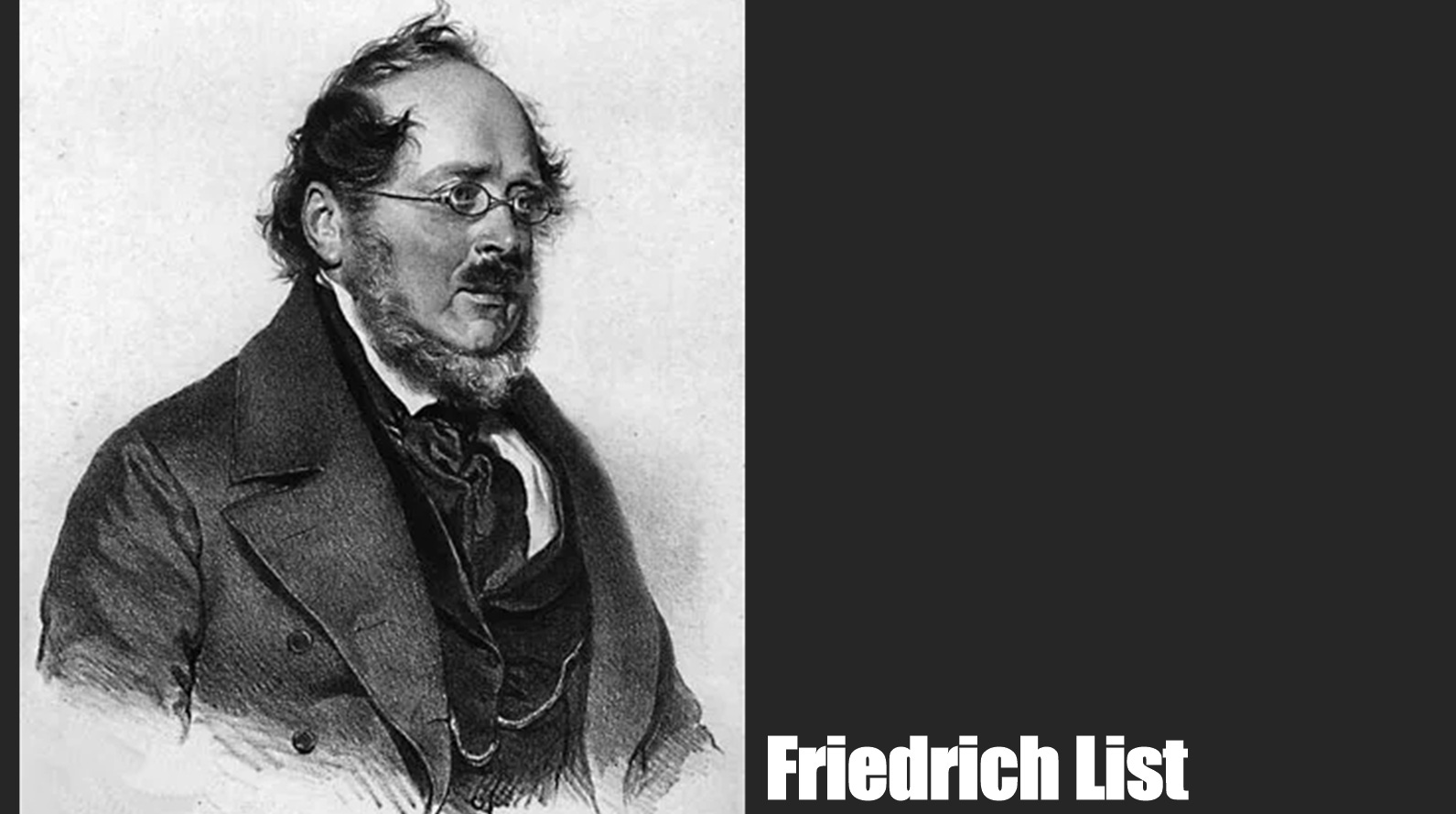
However, by the 1870s the “English disease” spread to Germany and Austria, exposing the weakness of following the British economic model. Unlike Britain, the German government wasn’t entirely subservient to its banking oligarchy, making them more open minded to alternative models of economic development. In the crisis ridden 1870s, Germany adopted the economic reforms proposed by Friedrich List, which included tariff protection for her emerging domestic industries, farm production and large infrastructure investments including a modern railway network.
German government also invested heavily into education and technological development. German universities placed heavy emphasis on natural sciences and engineering in their curricula - what we would refer to as STEM education today – STEM stands for science, technology, engineering and mathematics. German government also created a national system of technological schools, and colleges modelled on the French Ecole Polytechnique, for the education of scientific and engineering talent.
Furthermore, a system of education of business people was organized with support from the various chambers of commerce and industry. Training of skilled tradesmen was fostered through a nationwide system of trade schools. As a result of this investment in skills and know-how of its domestic workforce, Germany experienced a dramatic increase in technological competence of its working population after the 1870’s.
This all had a very positive impact on Germany’s economic development. On the eve of the First World War in 1913, German total domestic output increased five-fold compared to 1850s figures. Per capita output increased by 250%. The population began to experience a steady increase in its living standards. From 1871 to 1913, real industrial wages doubled. The pace of growth of Germany’s output - both in terms of quantity and quality - started to outpace Great Britain very significantly.
In 1870, British large industrial companies dwarfed their German rivals. But Germany was catching up fast. For example, in 1890, Germany produced 88 million tons of coal while Britain produced more than double that amount: 182 million tons. By 1910, German output of coal increased by nearly 225% to 219 million tons, while Britain’s only grew by 45% to 264 million tons. Between 1880 and 1900, German steel output increased 1,000%, leaving British production far behind. At the same time, thanks to Germany’s technological improvements, the cost of producing German steel dropped by 90% relative to its cost in the 1860s.
In terms of pig iron, which is the key raw material for steel production, German production more than tripled in two decades, from 4.6 million tons in 1890 to 14.6 million tons in 1910. During the same interval, Britain’s pig iron production only grew by about 27%, from 7.9 million tons to 10 million tons. By 1913, Germany was smelting almost double the amount of pig iron as British foundries.
In addition to education and production, Germany invested heavily to upgrade its infrastructure. The state-backed investment in rail infrastructure fully doubled the extent of German rail network from 1870 to 1913.
In less than two decades, Germany’s electrical industry also blossomed from small beginnings to become one of the world’s largest. In 1895, it employed only 26,000 workers. By 1913, it grew to staggering proportions, dominating fully half of all international trade in electrical goods. German chemical industry recorded similar results, growing from small beginnings that were vastly inferior to both French and British industry, to become the world’s leader in certain products, including dyes, pharmaceuticals and chemical fertilizers.
In turn, chemical fertilizers and mechanization enabled a spectacular growth in German agricultural production. Investment in mechanization increased the number of harvesting machines from 20,000 in 1882 to some 300,000 by 1907. During the early, “free trade” decades of the 19th century, Germany had to import grain from Russia and Argentina, while investment in domestic production was neglected.
But after abandoning the free trade economic policies, Germany’s grain harvests and yields improved dramatically. Over the 20-year period through 1907, German harvests of grain crops increased by 80%. From being heavily reliant food imports under free trade policies, by 1913 Germany became 95% self-sufficient even though her meat consumption doubled from 1870 to 1913. At the time, free trade Britain still relied on imports for nearly half of its demand for meat.
Part of Germany’s large-scale investment in her national infrastructure also involved ship building, because her export of goods in 1870 was subject to both the shipping volumes and freight rates dictated by England. In 1870, German merchant fleet amounted to only 640,000 tons. At the time, it was the fifth largest in the world, behind the British, American, French, and Norwegian fleets.
By 1901, Germany’s fleet grew more than 14-fold, with 52,000 ships sailing under the German flag, totaling 9,000,000 tons. Over the next eight years, it grew by another 44 percent to 65,000 vessels totaling 13,000,000 tons. By 1914, the German fleet was the world’s second largest, just behind England, and gaining rapidly.
Germany’s 19th century economic miracle under Friedrich List’s national system of political economy also had distinct demographic effects: Germany went from a net emigration country in the early 1800’s, to a country with strong population growth by the end of the century. Between 1870 and 1914 German population increased almost 75% from 40,000,000 to more than 67,000,000 people.
Unfortunately, Germany’s economic and social blossoming was poisoned and killed through the outbreak of World War I and the subsequent Treaty of Versailles. However, up until that point Germany proved the merit and superiority of the national system of political economy. Its development was almost perfectly consistent with the predictions articulated by Henry Carey in his 1851 in his book, “The Harmony of Interests.”
Enrico Mattei and Italy’s postwar renaissance
Another instructive case of implementing the national system was the postwar Italy, which emerged from World War II with a devastated economy. After two decades of Fascist rule under the MI6 installed and Wall Street funded dictator Benito Mussolini, Italy’s GDP collapsed by the end of the war, shrinking back to where it was in 1911. In spite of switching to the allied side in 1943, Italy emerged from the war as an occupied country.
Still, when Alcide de Gasperi formed Italy’s new Christian Democratic government in 1945, they sought to rebuild the nation’s economy independently. Among the top priorities was revamping Italy’s energy production and infrastructure. De Gasperi named Enrico Mattei as the head of the state controlled oil company, AGIP (Azienda Generale Italiana Petroli) for the North-Italian region. Mattei was a staunch nationalist and the leader of the largest non-communist resistance organization during the war.
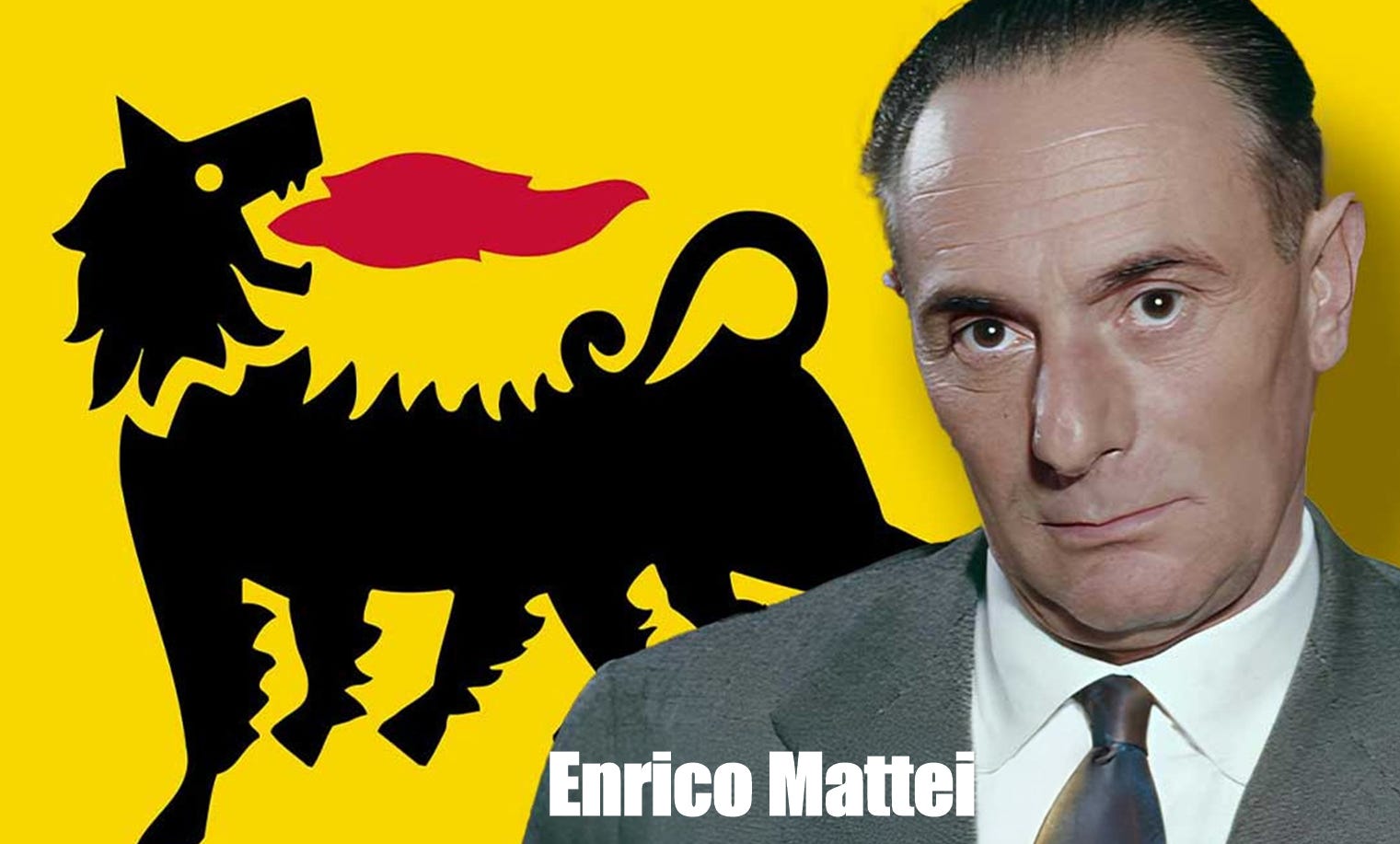
In his new role, he set out to develop domestic energy resources from a set of significant discoveries, first near Caviaga in 1946, then with a large find at Cortemaggiore in 1949. At the time, procuring oil from American and British oil majors was the biggest drain on Italy’s postwar balance of payments, leaving little capital to invest in the country’s development and throttling her economic prospects.
Mattei tackled this challenge by building a 2,500-mile long pipeline network to bring natural gas to the industrial centers of Milan and Torino. In turn, revenues from the new gas finds were used to finance the expansion of industrial infrastructure across Italy’s north.
Almost from the get-go, American and British oil majors sought to co-opt this emerging rival, but Mattei was determined to keep AGIP Italian and independent, and to keep Italy’s economic revival free from foreign control. He regarded the ruthless cartelization of the world oil industry with disdain and coined the term Seven Sisters referring to the seven Anglo-American oil majors that largely controlled global oil markets. This set Italy and Mattei on a collision course with the Anglo-American Seven Sisters.
In 1953, Mattei formed a state controlled energy holding ENI (Ente Nazionale Idrocarburi) which subsumed AGIP for oil, gas and refining. Their next large investment was to form a fleet of tankers and a network of gas stations across Italy, competing directly with those of Exxon (Esso) and Shell. Agip’s network was the first to incorporate modern restaurants and other conveniences. Mattei further built large oil refineries, a giant chemicals plant and a synthetic rubber plant using ENI natural gas as feedstock.
By 1958, ENI’s annual sales of natural gas rose to over $75 million, corresponding to around $850 million in today’s money. This was the money Italy didn’t have to waste on the much more expensive imported energy. British and American interests weren’t amused. Already in 1954, the U.S. Embassy in Rome sought ways to stop Mattei, as exemplified by the following memo sent to Washington:
“For the first time in the economic history of Italy, a government-owned entity has found itself in the unique position of being financially solvent, capably led, and responsible to no one other than its leader.”
This went against the globalist free trade system, but Mattei wasn’t done yet. His efforts to secure independent energy supply channels led him to open negotiations with the Shah of Iran in the spring of 1957, without asking the Anglo American “masters of the universe” for permission.
Anglo-American oil companies, joined by France’s state-owned CFP entered into negotiations with their own puppet Government of Iran for an oil exploration concession covering an area of around 100,000 square miles of Iranian territory. British interests obtained 54% of these concessions; American majors divided up 40% between themselves and France’s CFP got 6%.
At first, Mattei approached the Seven Sisters to discuss a small participation for ENI, but was only offered what he later called a “humiliating” rejection by the Anglo-Americans. Undeterred, in 1955 he obtained a share in Egypt’s oil exploitation on the Sinai peninsula which grew to a considerable annual volume of 2.5 million tons of crude oil production by 1961, the vast bulk of which was then refined by ENI refineries, all without having to pay for the oil in US dollars.
In 1957, Mattei began negotiations with the Shah of Iran and by August of that year struck a partnership between the National Iranian Oil Company and ENI, gaining a 25-year exclusive right to explore and develop some 8,800 square miles of promising petroleum territory in non-allocated areas of Iran. The first oil from these areas started to flow towards Italy in 1961.
During all this time, Mattei competed aggressively against the “Seven Sisters” for the domestic Italian market through progressive consumer price reductions, and also by lobbying the Italian government to reduce its excise tax on gasoline. As a result, gasoline prices in Italy dropped by 25% between 1959 and 1961, which favored Italy’s first postwar economic revival.
ENI and Mattei continued to seek out developments in the newly independent nations of Africa and Asia, offering terms that no Anglo American major ever entertained: ENI would build oil refineries locally, turning the ownership to its host nation. Oil exporting countries would no longer be merely a source of raw commodity, but would begin to develop the basis of modern domestic industries from the proceeds of their mineral wealth.
In return, ENI would obtain a guaranteed return on its investment in that country and exclusive engineering and construction contracts for the refining facilities and exclusive rights to market its oil products worldwide. But Mattei’s generosity very much vexed the Anglo-American interests.
Mattei finally crossed their red line in October 1960 by going straight to Moscow to negotiate joint development of the vast Russian oil resources. Again, Mattei cut the deal not in US dollars, but in kind – an example of industrial-scale barter. Italy would deliver to Russia large-diameter oil pipes for the construction of a huge pipeline network bringing Russian oil to Czechoslovakia, Poland and Hungary. When completed, the pipeline network would bring some 15 million tons of Russian crude oil per year into Eastern Europe.
Mattei secured Italian government’s support for this deal and committed to delivering 2 million tons of large-diameter pipes annually. In all, Mattei’s Russian job resulted in a huge supply of Russian crude oil at a price equivalent of $1.69/barrel, a massive windfall for ENI, but also for the Italian consumer and the Italian economy. At same the time, crude oil imported by ENI’s Anglo-American rivals cost as much as $2.75/barrel, so Mattei’s ENI was about to start running circles around his competitors. Well, Mattei may have been an Italian nationalist and ENI may have been an Italian company, but outcompeting the masters of the universe wouldn’t be allowed to stand.
On 27 October 1962, the private airplane carrying Enrico Mattei crashed after taking off from Sicily to Milan. It was probably only a coincidence that CIA’s station chief in Rome, Thomas Karamessines, suddenly departed Italy without an explanation. His detailed report on Mattei’s death, submitted only a day after Mattei was killed, was never made public by the U.S. government. The lesson was clear, however: free trade isn’t free for everyone. It’s a closed, membership-only club dominated by large Wall Street and City of London banks and their key corporate clients, including the seven sisters oil majors. The wealth produced by any nation must be submitted to their control, their system of free trade, or else…
Mattei’s example showed that the clash between two systems of governance isn’t a free, democratic choice. Nations are generally not allowed to opt out of the global system of free trade. Attempting to do so marks them as targets for sanctions, color revolutions, regime change coups or military interventions. Leaders who attempt to implement the national system of political economy are regularly labelled as autocrats and dictators and in many cases, they are eliminated simply by assassination.
In fact, all eight U.S. presidents who have either been assassinated or “mysteriously died” while in office were promoters of Hamilton’s American System. Those presidents were William Henry Harrison, Zachary Taylor, Abraham Lincoln, James Garfield, William McKinley, Warren Harding, Franklin D. Roosevelt, and John F. Kennedy.
I know, someone will object: FDR died of polio, everyone knows that! Sure, but that might have been fake news. In his memoirs, FDR’s son Elliott Roosevelt revealed what he learned when he met with Joseph Stalin in 1946. Below is an excerpt from Parade magazine article, published on 9 February, 1986:
While Elliott was with Stalin in 1946, this subject arose again. According to Elliott Roosevelt, this is what Stalin said:
“When your father died, I sent my ambassador with a request that he be allowed to view the remains and report to me what he saw. Your mother refused. I have never forgiven her.”
“But why? Elliott asked.
“They poisoned your father, of course, just as they have tried repeatedly to poison me. Your mother would not allow my representative to see evidence of that. But I know. They poisoned him!”
“‘They’? Who are ‘they’?” Elliott asked.
“The Churchill gang!” Stalin roared. “They poisoned your father, and they continue to try to poison me. The Churchill gang!”
The Churchill gang would be the British ruling establishment, the ultimate beneficiaries and defenders of the British system of free trade. In addition to attacking anyone who dares to opt out of their system, they have also done their best to purge the knowledge about the national system of political economy from the economics curriculum.
How we know all this…
The work and achievements of Alexander Hamilton, Henry Clay, Henry Carey, Friedrich List and many others would have been pushed into the memory hole but for another would-be reformer who played the key role in restoring this lost knowledge. His name was Lyndon LaRouche.
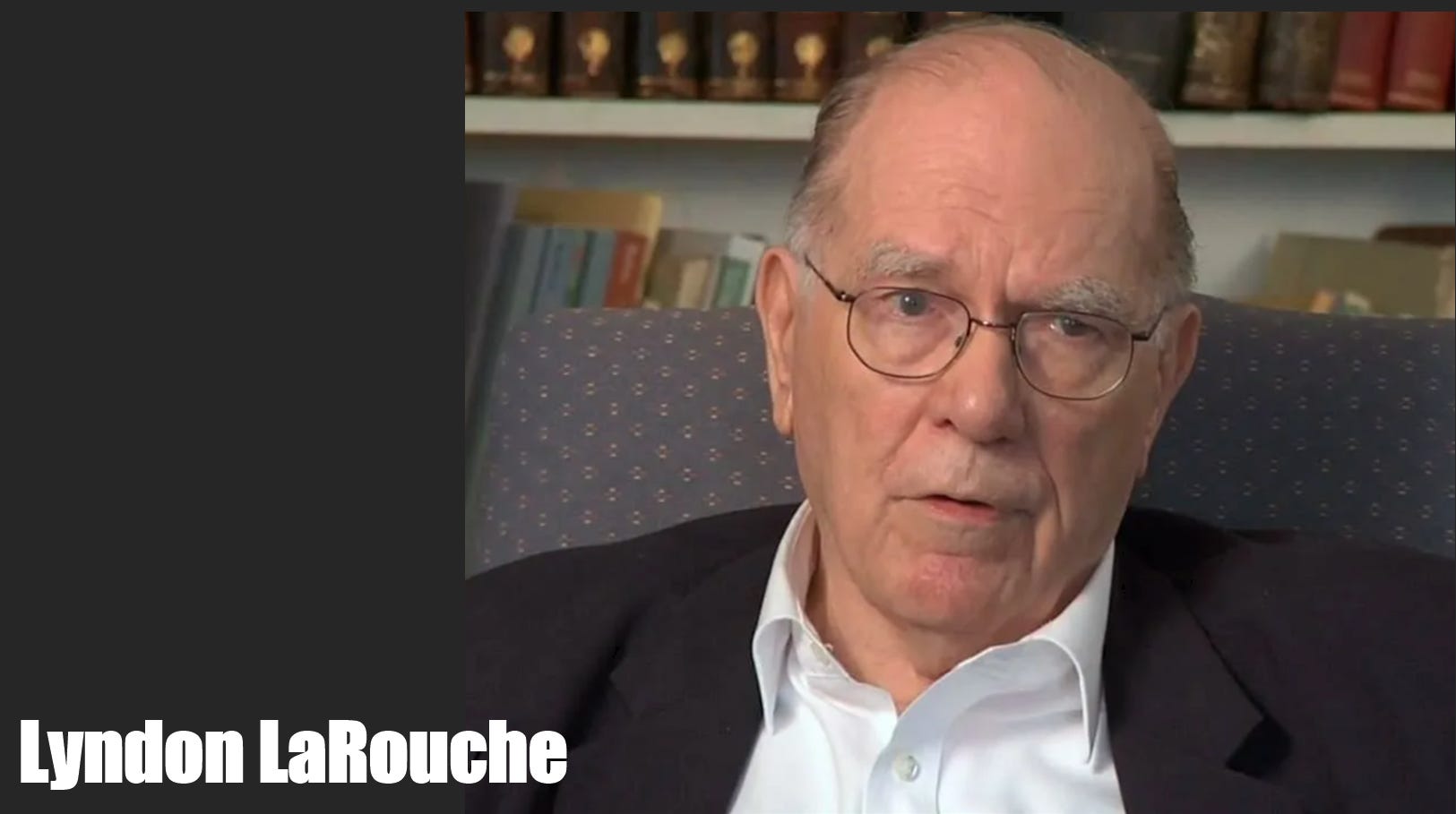
Most people have never heard of LaRouche, and those who have, tend to think he was a far-right extremist with dangerous ideas. However, that’s the result of of character assassination campaign he was mercilessly subjected to.
LaRouche was an economist, a prolific writer and an eight-time candidate for the Presidency of the United States. Even the very hostile press credits him with the theoretical framework that’s influenced the leaders of BRICS movement on economics and finance. One of those leaders was the former Russian Minister of External Economic Relations, Sergei Glazyev.
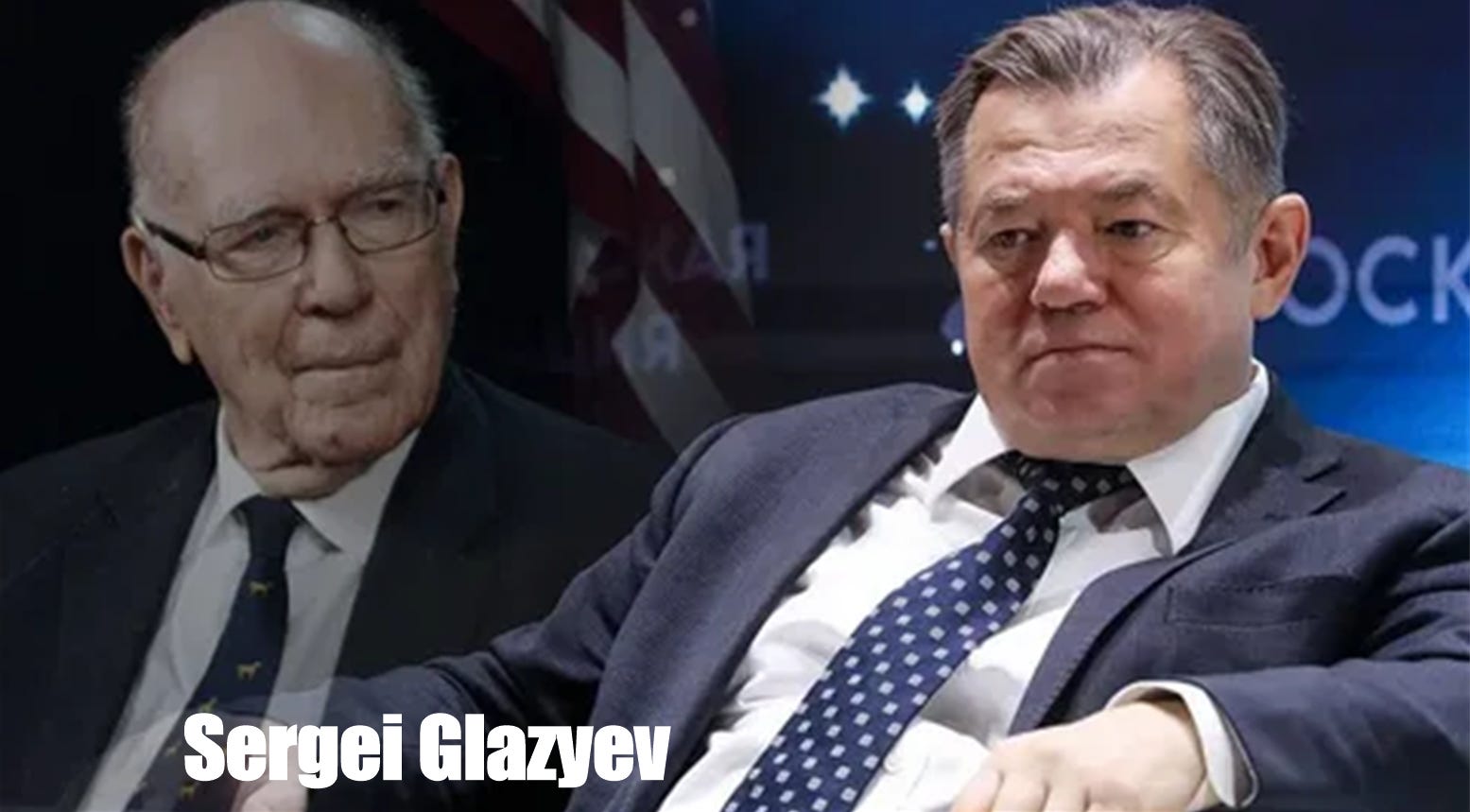
In July 2012, Vladimir Putin appointed him as presidential aide for the coordination of the Eurasian Economic Union. From 2019 he served as the its Minister in charge of Integration and Macroeconomics. In April 2025 he was appointed State Secretary of the Union State of Russia and Belarus, the most senior post of his career.
LaRouche’s critics point out that Glazyev’s thought and vocabulary follows that of Lyndon LaRouche, and they are correct in that. For example, at the 2023 Eastern Economic Forum, Sergei Glazyev declared that “a new world economic paradigm needs a new monetary and financial architecture,” including the need for the Eurasian Economic Union to decouple from US dollar trade and to join forces with China’s Belt and Road initiative. This is all consistent with moving away from the global free trade and toward the American system.
Glazyev warned that “the existing global monetary and financial system” was the cause of poverty and underdevelopment in the Global South, as LaRouche had argued. It was also the cause of America’s decline. LaRouche wanted to lead the United States away from the ruinous unipolarity and global hegemony, and toward multipolarity and global cooperation, prosperity and peace. In September of 2022, on the centenary of LaRouche’s birth, Sergei Glazyev sent a warm message of appreciation for LaRouche’s thought and impact to his widow, Helga Zepp-LaRouche.
But Lyndon LaRouche’s impact is also coming back to life in the United States. In fact, LaRouche’s critics blame him for some of Secretary Scott Bessent’s better ideas, including the Trump administration’s original intent to move away from globalism and embrace multipolar integrations. Here’s what one critic of LaRouche had to say:
„When Bessent speaks of a ‘Bretton Woods realignment’ and Glazyev speaks of a ‘new monetary and financial architecture,’ they are not converging by coincidence on a fashionable phrase. They are drawing, through different personnel chains, on the same fifty-year-old wellspring.“
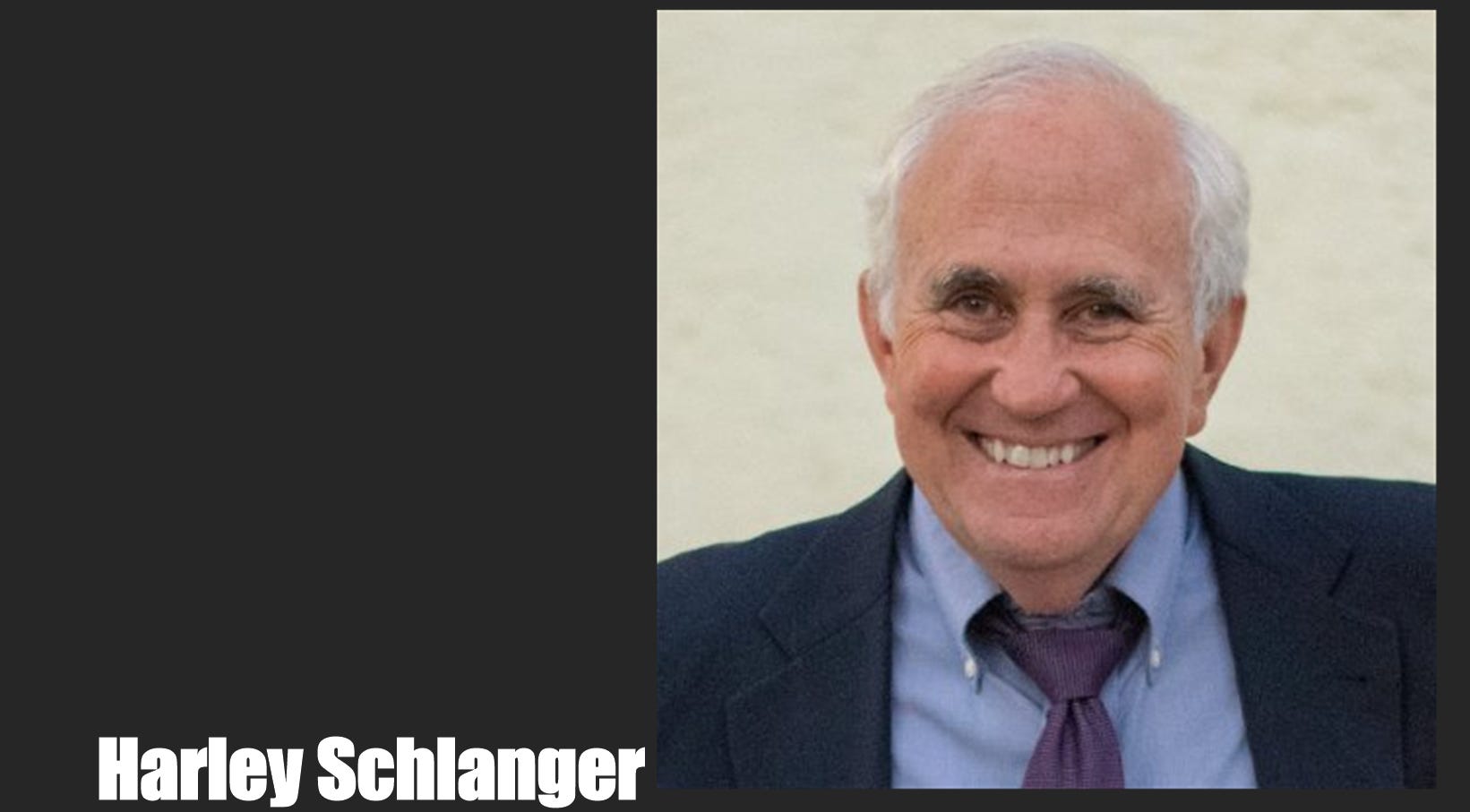
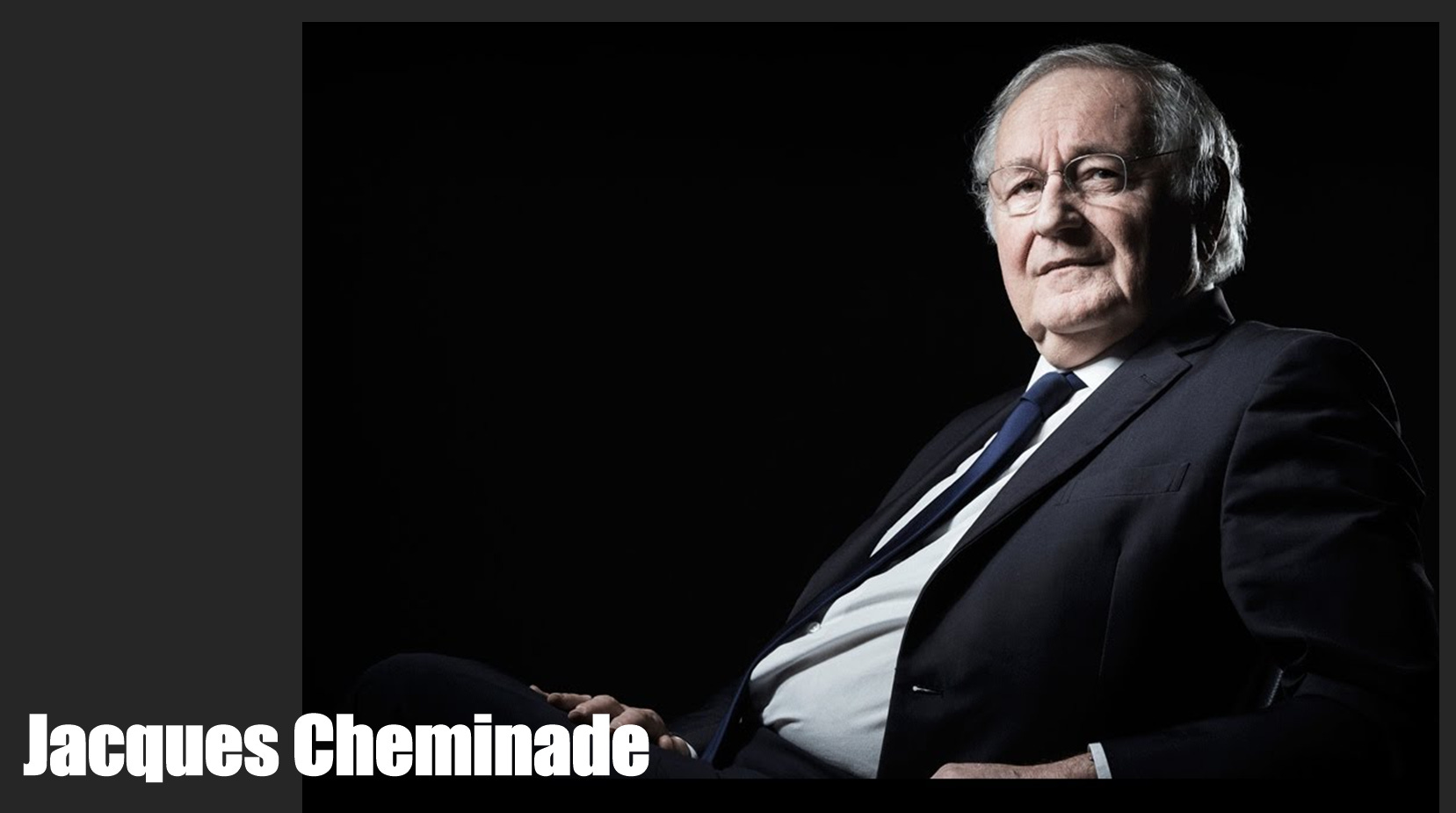
That wellspring, of course is Lyndon LaRouche and his thought an influence has survived thanks to his publication, the Executive Intelligence Review, which I highly recommend, and also thanks to some of his closest collaborators, like Hlega Zepp-Larouche, Harley Schlanger, who was LaRouche’s aide since the 1970s, author F. William Engdahl, and many others. I have to mention also that LaRouche’s thought had also influenced Burkina Faso’s reformer Thomas Sankara, who was tutored in economics by LaRouche’s French disciple Jacques Cheminade.
Burkina Faso’s leader today, Ibrahim Traore is exactly following in Sankara’s footsteps, slowly lifting his country from colonial subjugation and poverty to independence and prosperity. Many names deserve to be mentioned here and I regret that I cannot mention them all. However, if you recall LaRouche, Engdahl, Cheminade and Schlanger, as well as Glazyev, Sankara and Traore, and read the Executive Intelligence Review, you’ll be on the right track. These individuals have kept the ecoomic rosetta stone intact for us, helping us to transcend the false left-right, socialism vs. Capitalism dichotomies which only muddy the waters and contaminate clarity of thought and understanding.
In my next report, we’ll look at the case of China, one of the most remarkable examples of the national system of political economy in all of history.
Alex Krainer – @NakedHedgie is the creator of I-System Trend Following and publisher of daily TrendCompass investor reports which cover over 200 financial and commodities markets. One-month test drive is always free of charge, no jumping through hoops to cancel. To start your trial subscription, drop us an email at TrendCompass@ISystem-TF.com, or:
NEW: Check out our daily TrendCompass on Substack, covering 19 key global markets, incl. gold and bitcoin at under $1/day
For US investors, we propose a trend-driven inflation/recession resilient portfolio covering a basket of 30+ financial and commodities markets. Further information is at this link.
Monetary policy is crucial for true emancipation from the deep state and to recover some form of sovereignty. Letting money printing into the hands of private interests has been a gigantic flaw in our democratic systems.
Besides such an informative article, I would like to thank you for bringing up Burkino Faso. The efforts to resist neocolonialism, from Sankara to Traore, are unknown to most people in the West.
This small but proud country is inspiring the rest of Africa.